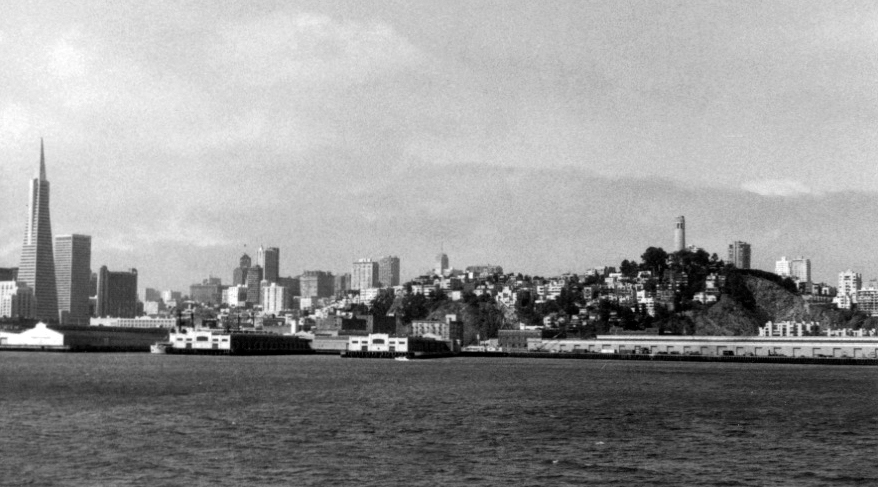
Living in San Francisco in the late 70s was an experience and a half, I seem to have packed an awful lot into that time. I was 23 that year and had to get by on whatever jobs I could find, previously I had already been a housepainter, a walking courier, an office temp and a lackey for the phone company. Living almost hand to mouth, there were no handouts to fall back on. 1978 proved to be an interesting year for me job wise, and many other things too, and I can remember five very different jobs that stand out from that year, none of which lasted very long.
CB & S
Sometime in early 1978 I was tipped off by a friend of mine called Ann, who told me that she wanted to leave her job so suggested I apply for her part time job – ostensibly as a telephone receptionist for the auspicious sounding firm of Colton, Bernard and Seitchik. It involved a bus journey from the Inner Sunset across Golden Gate Park to the leafy Richmond district, where the offices were based in a smart detached house. The company operated as a recruitment agency for textile industry executives from all over the USA.
The main partners were a close couple, the diminutive, smartly dressed Roy Colton and the very tall Harry Bernard, a former hairdresser with a Peter Wyngarde (Jason King) moustache, both were absolutely meticulous about their appearance. They had moved to San Francisco from Philadelphia a couple of years before to live in the liberal freedom of a gay friendly city. The third partner was the straight man called Bill Seitchik. The job involved answering the phone in my English accent, what other could it have been? My fake American accent was appalling, and the job involved putting calls through when wanted, and being obsequious at all times. I didn’t enjoy that bit. My daily task in my four hour shift was to read Women’s Wear Daily (WWD) and one other fashion daily cover to cover looking for particular articles to bring to the attention of the partners. I became very knowledgable in the trends and whims of the US fashion industry at the time. The partners were kind and generous, but I soon found out that if I wasn’t wearing clothes up to scratch or was wearing enough deodorant, aftershave or cologne, I certainly heard about it. It paid the bills for a while and I left after three or so months, tired of answering the phone.
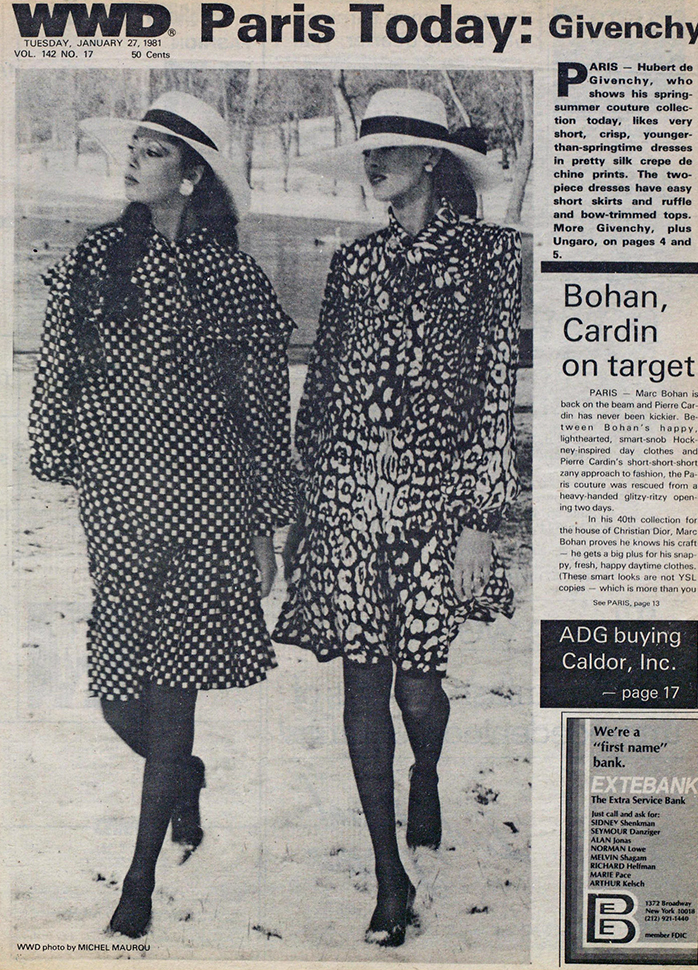
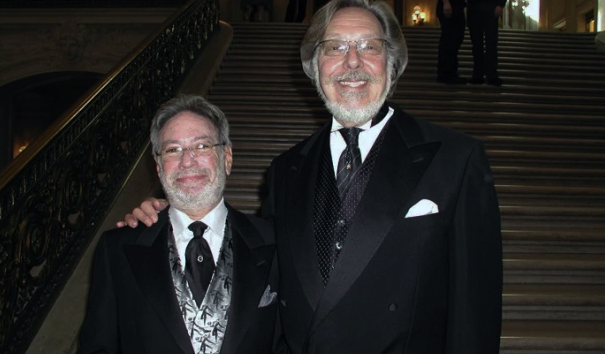
*A sobering and sad footnote to my time at CBS. In doing some online research I found an article from Women’s Wear Daily from 2009 which told the story of Roy and Harry’s apparent double suicide in their plush home in Pacific Heights from a deadly concoction of pills, the recipe for which was drawn from the book “Final Exit,” a DIY suicide manual. It was a sad thing to find out, but apparently the business had dwindled away with the rise of the internet but they kept on living the high life, flat in Manhattan, holidays abroad, flash cars etc, until the debts piled up and became overbearing. By the end they had plush offices on the eighth floor of the circa 1904 Flood Building, one of the few downtown structures to survive San Francisco’s historic 1906 earthquake, which was also where novelist Dashiell Hammett wrote the “The Maltese Falcon” while working for the Pinkerton Detective Agency in the Twenties.
American Graffiti
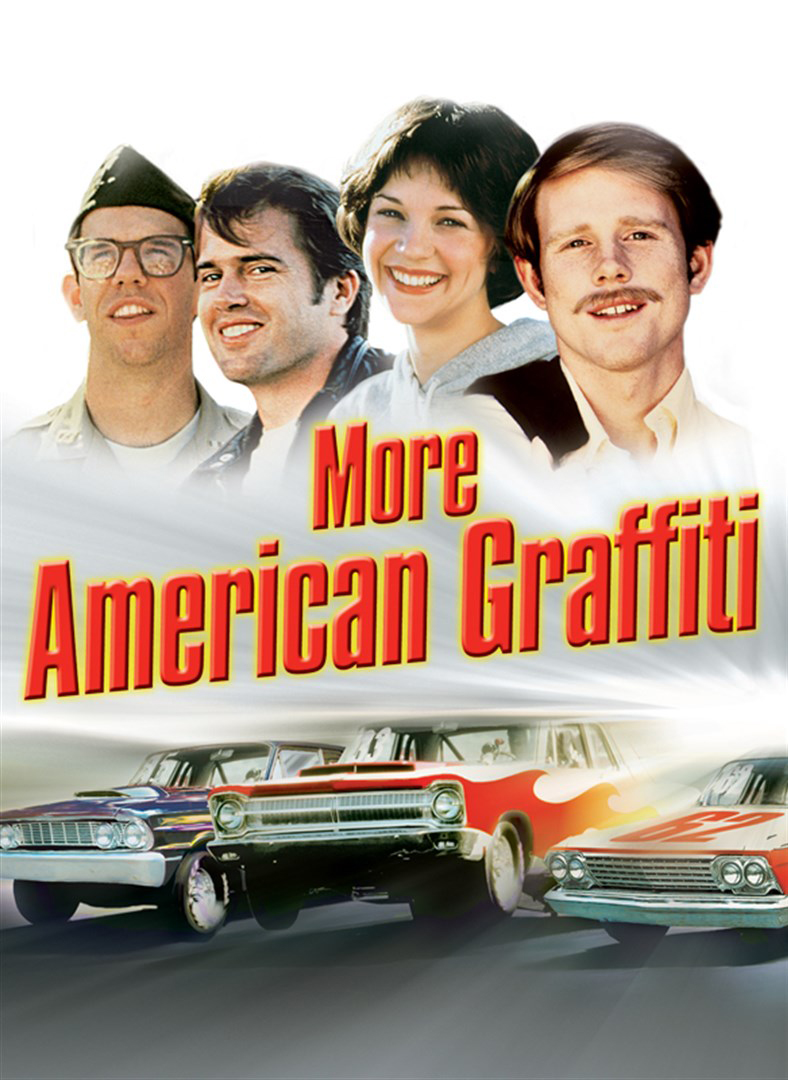
The next stop was Hollywood, well, the Hollywood film industry, when my friend John said that he had been asked to find someone who could do some extra work with him at a drag racing circuit some 50 miles south for a few days. It turned out to be the sequel to American Graffiti, the story having drifted into the 60s, and was tentatively entitled Purple Haze, although it seems to have later adopted the original name of ‘More American Graffiti’. George Lucas didn’t have a lot to do with it, but Ron Howard and Cindy Clarke were in it. My role was as a crowd member and as a pit worker at the race meeting. I went for three or four days with my friend John, but at $50 a day it wasn’t great pay, but it was a break from the norm. There was I given an early 60s flat top haircut and put into the right clothes of the era. The film bombed and went straight to video later, I have never seen it.
Selling The Wild West
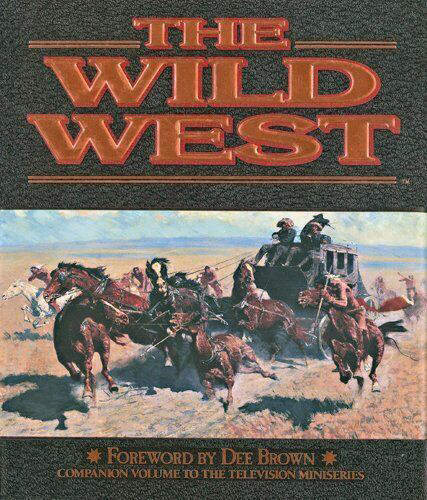
This was a short lived two and a half weeks ‘locked’ in a room on Market Street downtown with several others, a telephone on each desk and a list of numbers to call. These were four hour shifts and the job was to cold call people in Nevada and parts of California to hard sell them copies of Time Life’s hard bound book ‘The Wild West’ for about ten dollars. After a day’s training how to sell on the phone I was thrown to the wolves and was expected to read off a whole spiel before whoever answered the phone had a chance to say much and cajole people into buying a copy of a book they probably didn’t want or need. I have to say that this was a fairly dispiriting experience and I was getting nowhere until one kind person put me out of my misery and said yes, probably out of pity. Several people did question why an English voice was trying to sell them an American book. What could I say? It was a desperate job.
I had to indicate that I had a potential sale and a bell was rung and my score finally moved from 0 to 1. The very next shift I suddenly snapped and stood up and like Peter Finch in the film Network, (out the previous year) said loudly to the room “I’m not going to take this any more” and stormed off into the manager’s office. He looked at me pitifully and said that they had wasted money on me. I didn’t care, all I wanted to do was get out of there and get on the MUNI bus back towards the Inner Sunset and have a lie down. My short lived career as a telphone book seller had come to an abrupt end. I was left with a copy of the wretched book too.
Eureka Valley
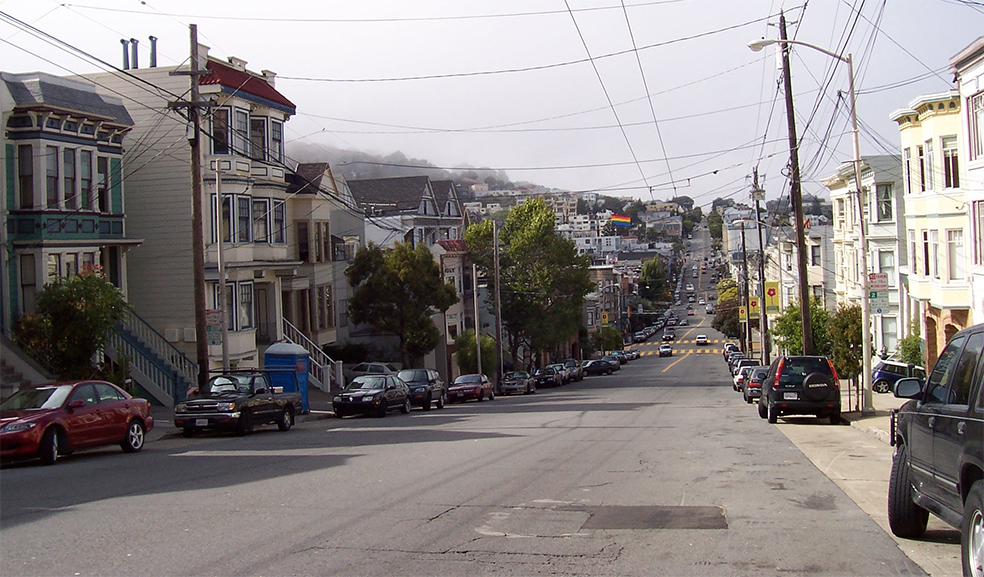
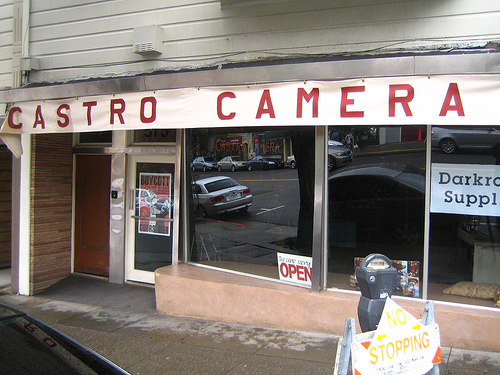
I moved on to working in a small natural grocery store in the Eureka Valley, not far from the Castro, owned by a hippie couple, who for all their hippie ethos and Hawaiian weed, were not very generous when it came to wages. They told me to look out for miners coming in, it took me a while to realise that they meant minors buying booze. I ended my shift and passed onto a man who was a Californian equivalent of John Cooper Clarke, obsessed with words and music – we talked endlessly. The job ended with my asking for a wage rise, I was sacked immediately by phone call the next day. I claimed for unfair dismissal and won my case and received unemployment benefit for a month or two and disappeared up the coastline to Oregon and Washington and Canada for a while, but that’s in another story.
At the end of the summer my relationship with Kris came to an end after almost four years, from London to New York to SF. More on that later perhaps.
Pier 39
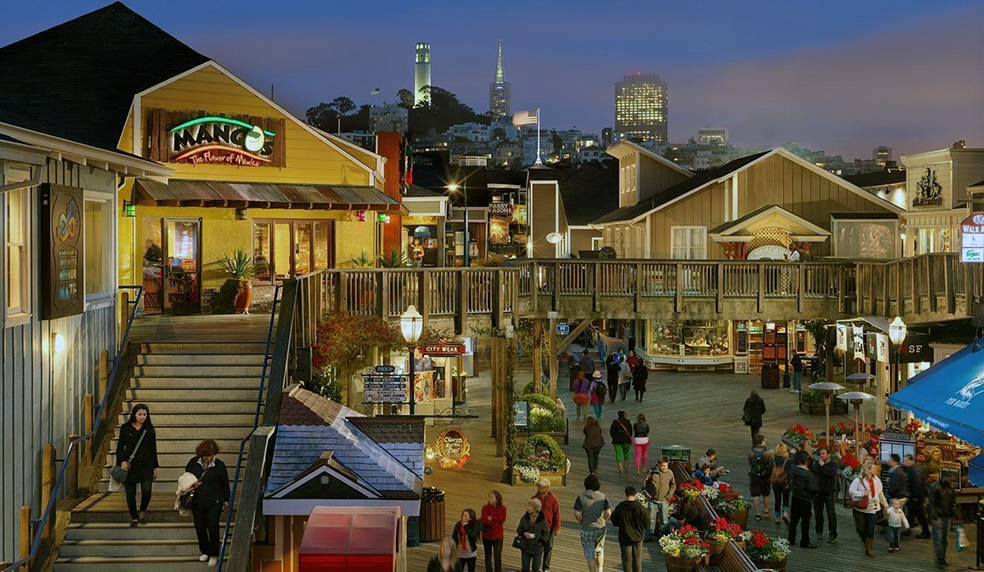
My next job was as a worker at a place called Pier 39, near Fisherman’s Wharf which was just opening up. The job was fairly menial, from bussing tables to taking money for arcade type games to running the dodgem cars. I lasted about three weeks before being sacked by the boss, Warren Simmons, for giving him lip, but not before meeting two wonderful co-workers for that brief time, Jeannie and Angie, who have played a part in my life ever since, mostly at a distance,, although we have seen each other from time to time over the years. It was great to get know Jeannie, she was/is full of fire and has a great acerbic sense of humour. We connected and had quite a few laughs. Well, as I said I was marched off the premises and it was back to job hunting. The Pier 39 is still there 42 years later, now famous for its sea lions and Angie still has a responsible job there too.
Haight Street Deli
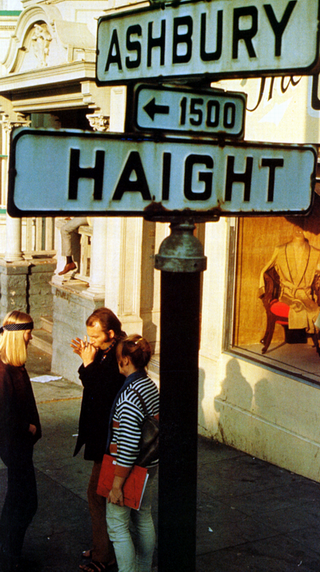
The final job that year was at a delicatessen on Haight Street, not far from my new home on Masonic, imaginatively called Haight Street Deli, and run by a sharp large lady called Gail, who ruled with an iron rod when in the room. I was part of a team who served up huge sandwiches all day. It got very busy and people asked for all kinds of complicated sandwiches. The evening shift would end with us piling into someone’s car and racing off to Ocean Beach for a little light up entertainment…I think I was there for four months or so, nothing lasted that long and I drifted into other things…like 1979.

 Citizen Cane picks up his camera