Friends in a band in Oxford persuaded me to be their support dj at a gig at the Novotel Hammersmith in London right in the middle of Euro 96. My mistake was that I didn’t do my research of what kind of crowd it was. When I got there I found out it was a party and dinner for a convention of estate agents. The band played, they did well, but the already pissed up crowd was looking for something else. Those days I wouldn’t play just anything, I was quite particular and my speciality was soul, reggae and African. I brought along a couple of boxes of records and singles and only had record decks. Within minutes of starting I had several fairly inebriated women demanding songs, mostly Abba if I remember right. I happened to have one Abba single with me that night. That didn’t last long. I had about six singles which worked, but I couldn’t just repeat them. Then the blokes waded in and were demanding Oasis, again I failed to deliver. You can’t play what you haven’t got. It got worse and worse as the crowd became more and more inebriated. I felt a feeling of blind panic wash over me. I couldn’t escape, there was nowhere to go and I had about another 90 minutes to fill. England had beaten Spain that night so that was another factor. Again I failed to have the right music. I thought I was about to be hauled out of my space and beaten to a pulp. (Pulp would have been good.) The crowd of baying men and women were getting quite threatening and annoyed with me. The band had long since scarpered, I was completely on my own. Salvation came in the form of a guy who took pity on me and offered to help, he said he’d go home and pick up a portable CD player and some cds, which he did. The rest of the evening slowly improved, he was very helpful. To this day I don’t know what would have happened if he hadn’t turned up. Eventually this torturous night ended, I was a wreck and vowed to never let this happen again, always to check out in advance what was likely to work – or just bring everything. On the long drive home I was flagged down by a man whose car had broken down and I managed to tow him and his car several miles back to his house somewhere in south west London. What a night!
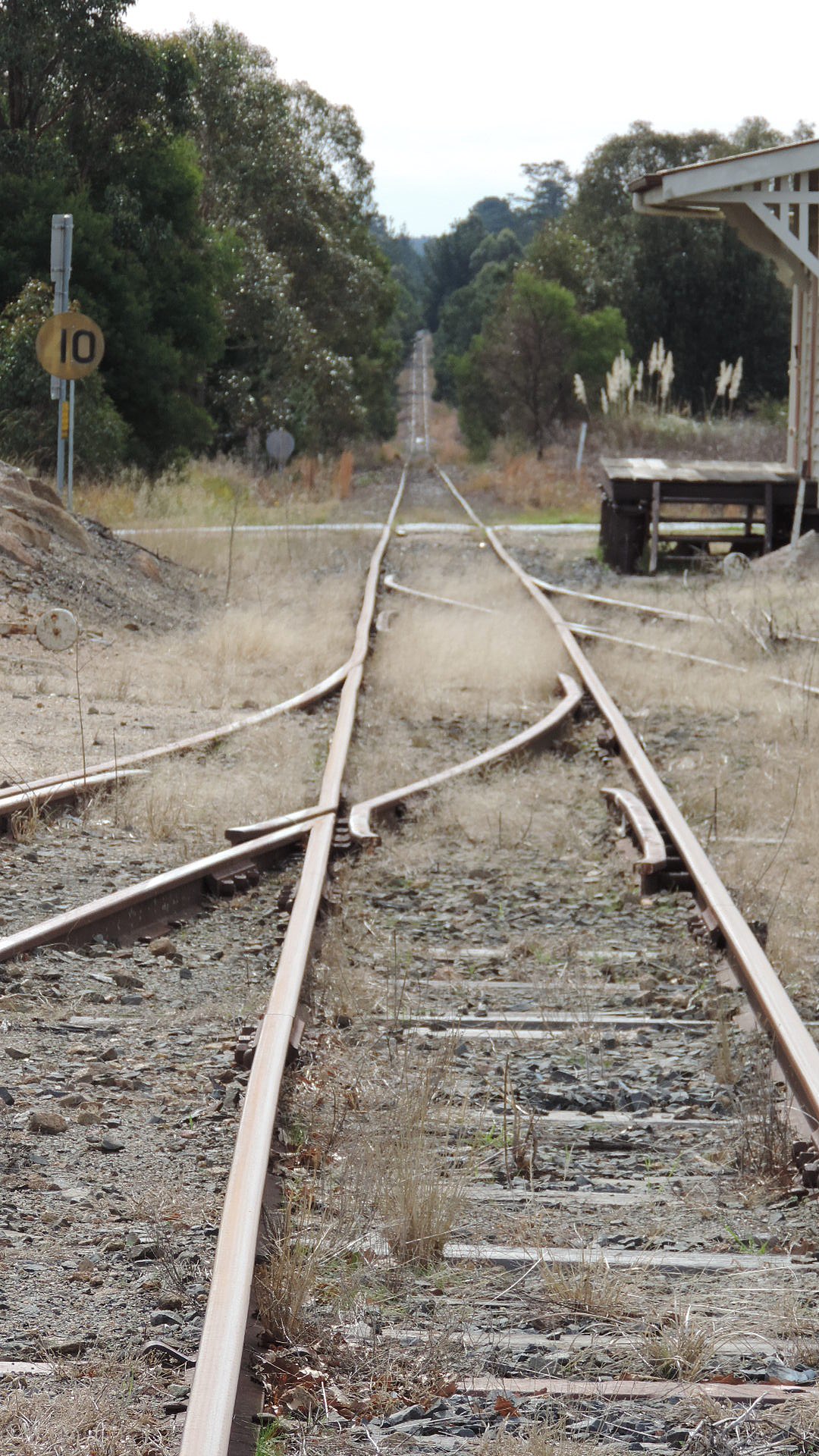
This was the most unexpected bike ride I’d ever taken. The time was August 1986 and the place was Harare, Zimbabwe. I was staying with newly made friends at their house in Hatfield and borrowed a bike every day to cycle to the massive Sheraton Hotel, where the Non Aligned Movement Summit was being held, to take photographs of the conference. The ride was about 25 minutes and for several minutes went alongside the railway line into the city. I had my camera with me and innocently thought it would make an attractive photograph with the railway tracks weaving their way through the rough scrubland. So there I was composing my photos when behind me I heard the screech of car tyres and a fast car came to a rapid stop close near me. Two Zimbabwean men in suits with dark glasses got out and approached me in a very aggressive manner. “What are you doing here? Who are you? They were plain clothes police officers. They had me up against a fence and were in no unsubtle way insinuating that I was up to no good and virtually accused me of being a South African spy who was doing some surveillance work on the railway with a view to sabotage it at a later date. I was starting to panic inside, having heard dark things about what happened to people inside the police stations, when I remembered that I had a piece of proof on me that proved who I was and why I was there. This was my press pass to the NAM summit which had my photo on it. I produced it and they kept me for at least half an hour while checking out my credentials. I passed and they finally were convinced I was who I said I was and not working for the enemy in the south. They let me go with a stern warning not to be so stupid. I continued my bike ride but was somewhat shaken up. Later on that very same day I found myself in a press conference with Mugabe and was the subject of a long and malignant stare from him. (This may have been co-incidental, he seemed to give everyone the hard stare.) Where are the photos now? The image alongside is a found one for illustrative purposes.
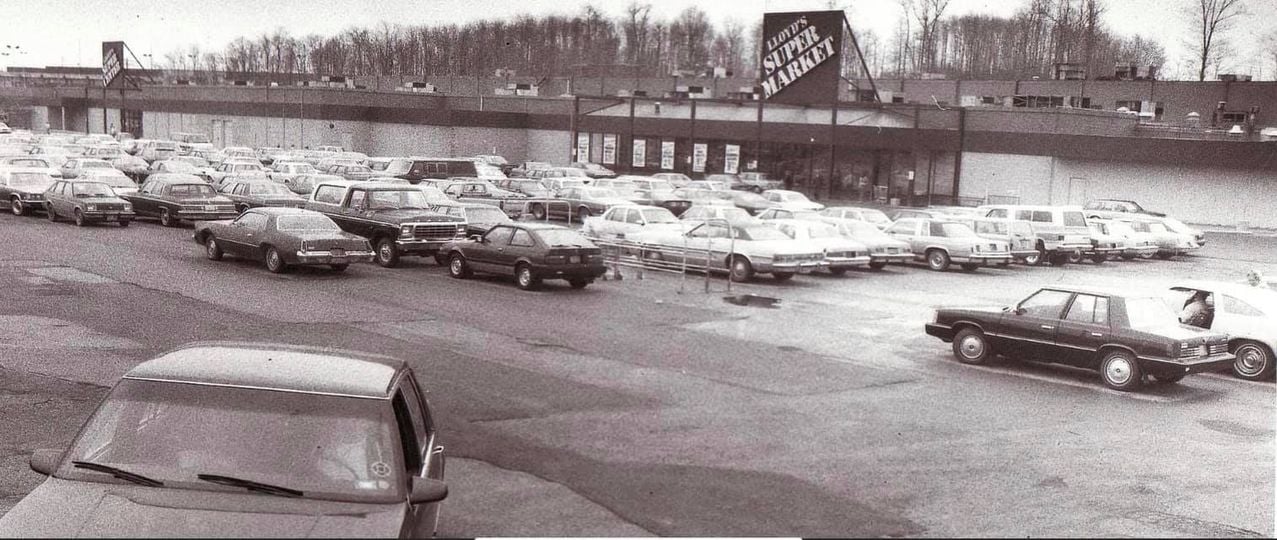
Mr Schwarz was the name that came to me out of the proverbial blue yesterday. I can’t remember his first name, if I ever knew it, but what I do remember was that he was an elderly businessman from New York City and he was the owner of Lloyds the department store that I had recently been employed at in the warehouse. The year was the winter of 1975/6, there were a few feet of frozen snow and ice on the ground, the place was Middletown, Orange County, about an hour’s drive upstate from the City and about a twenty minute drive from where I was living. I had arrived in the States several months earlier, as a 20 year old fresh from London with my then girlfriend Kris, although we had gone through a registry office marriage previously so I could get that elusive green card. As a registered alien I was issued with a Social Security number, which I can still remember all these years later. Work was hard for me to find as I had quite long hair at the time falling onto my shoulders. I did a bit of casual house painting first, mostly outside on dangerously high ladders. The work dried up and I decided I had better get a regular job, so I got my hair cut, blagged a car and after some futile searching a warehouse job opened up for me at Lloyds, it was a huge all round department store, the forerunner of the superstores we know today. The job was simple, to take in deliveries through the back door, stack them on the shelving, and send down orders to the shop floor below via a rickety conveyor belt. The managers were fierce, if anyone stepped out of line they got a severe warning and on a second transgression they were out the door. It was a rather brutal introduction to the working practices at that time in the USA. As I said at the beginning the owner was Mr Schwartz, he would once in a while drop to inspect his business and the staff were somewhat in fear of his temper, which could flare up very easily. One day he was visiting and everything was made shipshape for his inspection, it seemed that we in the warehouse had passed satisfactorily and he made his way down to the shop floor below. There was then a call for several rolls of linoleum to be sent down. I was on my own and place the said rolls, at least six or seven feet long and very heavy, on the belt to go down. I watched them descend when I noticed Mr Schwartz making his way below, when one of the rolls slipped off the belt and tumbled down towards him. My blood froze in that moment as I watched open mouthed as the end of one roll fell just a few inches behind his head and missed him so narrowly I couldn’t believe it. He was known to be partially deaf and I’m guessing his eyesight wasn’t that good, he was totally oblivious of what had just happened and as I was the only witness I said nothing at the time, for no-one else noticed it fortunately. My mind was disturbed for days with the memories of that incident, I had come so close to causing some serious injury, or possibly death to the owner. I can’t imagine what would have happened if the roll had hit him – or to me either. I lived to fight another day, and so did he. I left the job a few months later and moved on eventually to California. But it taught me a huge lesson, which was to take safety seriously and not be so casual. It was a very lucky escape.
Recently I was trawling through late night radio and heard a familiar sound in my earphones. It was immediately recognizable to me as by The Real Sounds of Africa and their Congolese rumba song ‘I am a football fan, I am a soccer fan’. Now the programme was a late night world wide football phone in on Radio 5 Live, but this wasn’t the aspect I was really interested in, but hearing the song sparked a long buried memory.
I go back in time to Rhodesia in the year 1972 and my last year in school, before leaving the country a few months later. This was in August and the news came out that two British pop bands were going to be touring the country. This was exciting news as hardly anyone came to the boycotted illegal country at that time, where the guerilla war was just beginning to have an impact. (I can only remember The Byrds, minus David Crosby, doing a show in the late 60s, but I wasn’t old enough to go to that one and according to my sister Roger McGuinn spent the entire show with his back to the audience.) The Musicians Union had a ban on performers touring the country so hearing that Edison Lighthouse ‘Love goes (where my Rosemary goes)’ and Christie with ‘Yellow River’ were coming was exciting news. The two bands had a hairy time in Zambia and after not going on in an electric storm generated a riot and arrived in Rhodesia missing half their equipment. Now the venue for this gig was The Seven Miles Motel, named because it was approximately seven miles from Harare, then Salisbury, on the road to the Midlands. I had been there before as a kid on car journeys with my folks. Being 1972 the crowd at the gig was almost exclusively made up of young white Rhodesians. I remember going with a few friends and my memories of it were of two pop bands doing their thing on a constructed stage, we knew the hits but nothing else, it was fairly conventional middle of the road pop music, but still exciting to be part of it. The bands were rapped over the knuckles by the Musicians Union but had their worldwide ban rescinded because of the difficult position they found themselves in.
I now fast forward exactly 14 years to 1986 when I returned to the young Zimbabwe as a photographer to witness the Non Aligned Movement Summit in Harare and to visit my Mum and Dad, who were coming to the end of their time in the country. It was like visiting a different country. The guerilla war was over, independence had been won, Bob Marley and the Wailers had played in a stadium at independence and Robert Mugabe was then Prime Minister, (before becoming president) and in his pomp. There were disturbing rumours circulating about how his ZANU PF loyal armed forces had suppressed a rebellion in Matabeleland, with reports of mass killings.
To get back to matters in hand the music scene in Zimbabwe had exploded with the sounds of Thomas Mapfumo, the Bhundu Boys and Oliver Mutukudzi amongst others, and this band The Real Sounds of Africa. They were originally from The Congo, which was then still called Zaire, but had taken up residency in Harare and had a weekly gig at The Seven Miles Motel. Their sound was rumba and soukous so I had to go and check them out, having heard them prior to this on Andy Kershaw’s Radio 1 programme. This acrobatic eleven piece band just got on with it and they performed not one, but two football songs, one was a memorable football song about an exciting (!) goalless draw called ‘Dynamos vs Caps 0-0’, the second was a 3-3 draw between Dynamos and Tornados and featured a brilliant commentary describing all the action and name checking almost every single player. These were top teams at the time in the local league. One other highlight of this day was an African take on ‘Country Roads Take Me Home’. Think of a journey from John Denver into Toots and the Maytals and then into The Real Sounds. They also did a song called ‘Non Aligned Movement’ where they name check amongst others Tito, Nkrumah and Nehru.
This Saturday afternoon was a very relaxed affair with the driving infectious music getting people onto the dance floor, beers were flowing and the contrast to my previous visit to the Seven Miles couldn’t have been greater, for here was a very mixed crowd of black and white just there to enjoy the sounds and atmosphere. This is one of my fondest memories of this visit to Zimbabwe.
Footnote: The next year I caught the Real Sounds at the Africa Centre in London and even later on they performed at Hinksey Park in Oxford one sunny day in the early 90s. Great band, I wondered what happened to them. I’ve so far failed to locate the photos I took that day, but will keep on searching.
The year was 1981. The place was Ladbroke Grove on the Sunday of Notting Hill Carnival. It was a warm, sunny day and I had enjoyed innocently cycling alone from Shepherd's Bush on my recently acquired heavy one gear old-fashioned bike to join the festivities in the streets around Notting Hill, having been a few times before.  As I got nearer I could first hear and then feel the sound systems and the smells pulling me in. I was excited to be there. This was the time when I was immersed in the sounds of Dennis Brown, Gregory Isaacs, Linton Kwesi Johnson with Dennis Bovell, and Black Uhuru, as well as London's own Aswad, and wanted to breathe it all in.
     I looked around for somewhere to lock up my bike, but hesitated and before I knew it found myself going down a street wheeling my bike alongside me. The street became narrower and the throng became denser by the minute, all travelling in the same direction into the heart of Carnival.  There was no way back I had to go forward. There were no side streets to escape into and I was in the middle of the road. I began to feel anxious with the crowd beginning to press in and with my heavy bike this began to be a problem. Voices were now muttering "What you doing with a bike here?", "Stupid boy!" and "Get out of here!" I felt uncomfortable and trapped in the situation, there was nowhere to go.  It got worse as the throng became denser still and now people near me were feeling the metal edges of my bike, its handlebars and pedals. I realized that fairly soon people would start to get hurt and were already beginning to really complain about this.  The only thing I could think of to do was to hoist my heavy up into the air and hold it aloft out of people's way. This was not a lightweight bike and it quickly became a strain on my arms and shoulders. Minutes went by and I was no nearer getting to the edge of the road and there seemed to be no way out of this situation. I felt desperate and all I could do was try and inch my way towards the edge and hope for an opening.
     It was loud, it was noisy, whistles were blowing everywhere and the heavy, intense volume of the nearby sound systems drowned out everything else. I have no idea how long this situation went on for, it might have been 10 minutes, it could have been half an hour, but probably wasn't as long as that. My arms felt like dropping off. Salvation eventually came when some people standing on something raised at the street's edge spotted me and offered to take my bike off me. I didn't care at this stage what happened to the bike, all I wanted to do was drop it, so I gave it to them and managed to escape one of the most intense situations I had ever been part of. Relief washed over me. I made my way to these helpful people and was reunited with my heavy bike. I mumbled a thank you, I was almost beyond speech I feel so exhausted. If anyone had been filming my face during this relatively short episode they would have captured my full range of facial expressions going from initial concern to worry to alarm to fear to desperation into exhaustion and finally one of relief.  It would have made interesting viewing for everyone else but me.
    I collapsed on the edge of the road, almost numb with pain in my arms and mental anguish and instant relief. I couldn't enjoy Carnival any more that day and when I could I cycled away to recover and lick my wounds. I did go back a couple of years later and had a much more positive experience checking out the Mighty Sparrow, Aswad and Gaz Mayall's ska and rock steady stage amongst so much more.  But I had learnt my lesson and carefully locked up my bike first, long before the crowds became dense.
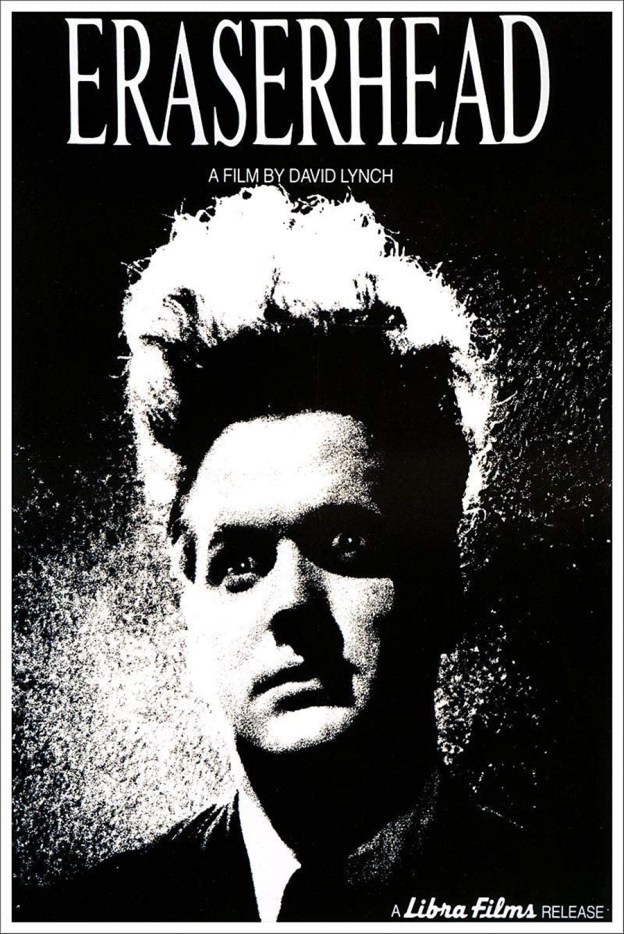
After our six week sojourn to the Pacific North West Kris and I arrived back in the city in late August 1978 and tried to figure out what to do next. Events conspired to determine what actually did happen. My newly sprouted moustache, which I had groomed over the summer, attracted quite a lot of male attention, remembering that this was San Francisco in the late 70s. This came to a head a couple of weeks later when I went to see David Lynch’s Eraserhead on my own at a midnight screening at The Roxie Cinema on 16th and Valencia in the Mission. The film had already become a cult classic and I was curious to check it out. Kris didn’t want to go, so I caught the bus over the hill from the Inner Sunset. Standing in the queue outside I was approached by a journalist from the Chronicle (or was it the Examiner?) writing a piece on the people who go to cult midnight movies and he asked me what I thought about the film. I told him that obviously I hadn’t seen it yet and might tell him later. He appeared to take a keen interest in me and asked me to save him a seat, so I did, thinking nothing of it at the time. For those who haven’t seen it, Eraserhead is Lynch’s first full length feature, shot in shadowy black and white and set in a strange subterranean city, where bizarre characters mingle in a surreal atmosphere. What stood out for me at the time was the weird soundtrack, it left me with a feeling of unease, but I did get the sense that I had travelled to another world. The journo, whose name I’ve long forgotten, and I watched the film together and afterwards went to a gay bar for a drink or two, ostensibly to talk about the film and one thing led to another back at his nearby apartment and with some mind altering substances introduced, all kinds of things happened that I have only a hazy memory of. I must have been well out of it when I stumbled out of his apartment at about 3am and staggered home. There was hell to pay, Kris and I had an enormous blazing row when I told her what had happened and this really was the beginning of the end of our short lived marriage, which was really based on getting a green card and the right to live and work somewhere else. We had been drifting apart for some time and this proved to be the catalyst. We were through, I moved out two weeks later. It was painful and wrenching, but in hindsight I think it needed to be as we were no longer really connected. So I could say that David Lynch played a part in the end of my four year relationship which had a not very serious marriage built into it. My moustache didn’t survive another month, but it had done its job, which I can say now, although it certainly wasn’t planned at the outset. I quickly found a room in a shared apartment on Masonic, again back in the Haight, with a pair of left wing community radio presenters and Stan Ulysses Moore, originally from Atlanta Georgia, who became a close friend for several years. My sister Jane had in the meantime moved back to the city and was living around the corner with Craig and Mary. Craig had an alter ego in the form of Oinoid the Clown. I found his character quite bizarre, I’ve never really taken to clowns. The apartment on Masonic suited me better, I did a lot of painting and started designing photo punk postcards and listened to a lot of new music and shopped at Aquarius Records over in the Castro for my music. It was then that I found a job at a new place called Pier 39 near Fisherman’s Wharf, which was just opening. The story continues…
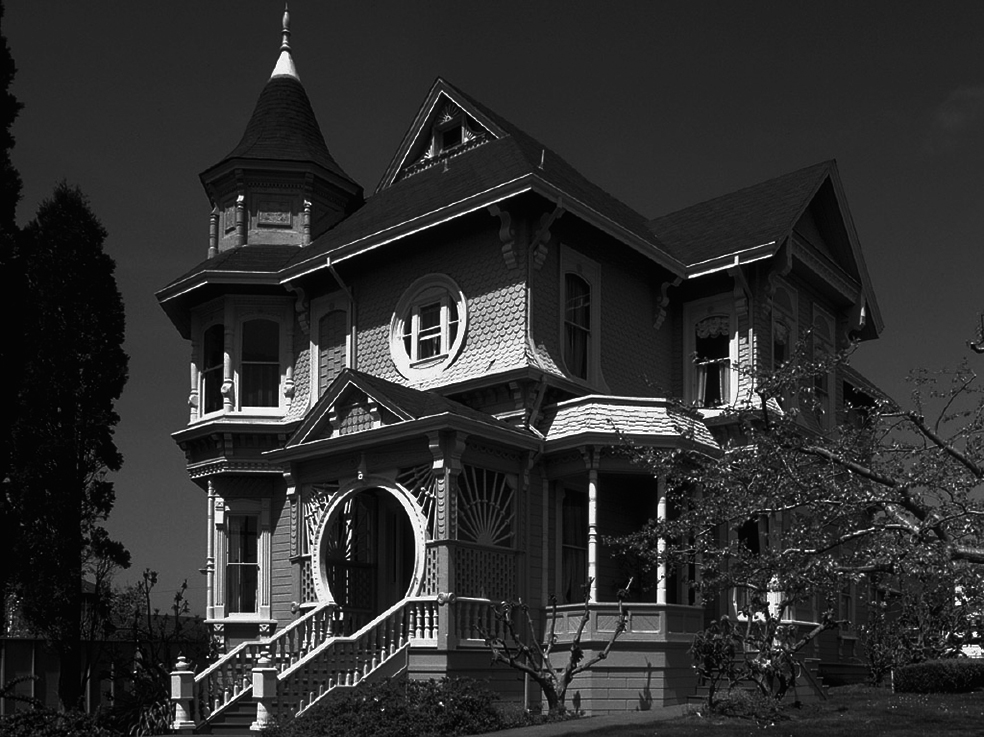
In the summer of 78 I went on a long summer trip north with Kris, which proved to be our last one together, but it was memorable too. After my summary sacking from Eureka Valley Grocery Store, I filed for unfair dismissal and was awarded unemployment benefit and so we took off for Northern California and all points north. The first stop was at Calistoga Springs resort, where the water comes from. A dip in a hot spring was very relaxing. We cadged a lift with a couple we knew who were very straight and a bit uptight, the names have gone but the memory lingers on. The lift continued up through Northern California and we gawked at the gothic houses found in Eureka. Up into Oregon, through to Portland where the lift came to an end but we were confident enough to hitch hike to Seattle to meet up with a couple we’d met on a plane to the UK the previous summer, Laura and Mike.
Gothic house in Eureka
Unfortunately they were away but they had let us stay in their room in a shared house in a leafy student type house. We had instant housemates, who were great. I loved Seattle and its vibe, even then quite cool. I enjoyed the scenery around, the snow capped peaks, the markets, the sight of whales in Puget Sound and the alternative feel. This was also the place where I finally caught up with the film ‘The Harder They Come’ and was introduced to the Bob Marley album Kaya. I saw that the band Television were playing in the city, so we bought tickets for that show and thoroughly enjoyed the experience of Tom Verlaine’s guitar playing.
Downtown Seattle in the 70s
After at least 10 days we moved on and were directed towards the San Juan Islands that lie between the USA and Canada. Short ferry rides and some wild camping is what we did. Hitch hiking all the way. One time with an older couple who treated us like their children, almost to the point of alarm, we felt like characters in a strange road movie, but they dropped us off before anything weird happened. This was also the time when for the first and to date only time in my life I started to grow a moustache deliberately. This has significance further on. At another time we camped out somewhere and struck up a conversations with the family camped next to us. They invited us over for a beer or two, but the conversation started to turn strange when the husband, who later reminded me of a young Kevin Bacon, in looks, but not in character, began to make references to ‘them’, in other words people of a different skin colour to his, which was white, and he assumed we felt the same. It wasn’t long before the racist slurs came out. This was a proto Trump man. The conversation became awkward and it could have turned nasty, if we hadn’t made our excuses and left.
The dreamy San Juan Islands between the USA and Canada.
The San Juan Islands were really beautiful, no doubt populated by some very rich people these days, but we enjoyed our couple of days floating around. I ask myself why I didn’t take more photographs back then, probably saving on film or perhaps I had a black and white film in the camera. We eventually arrived in Victoria at the southern tip of British Colombia, it had an old colonial feel about it, unsurprisingly with a name like that. Soon we moved onto Vancouver, the Big City, and celebrated Canada Day in a park with a load of punk bands. The city was too busy for me and so we headed up the west coast of Vancouver Island. The scenery was stunning, snow capped mountains in summer, whales in the sea and eagles flying in the air. The people we met were friendly, but I did notice the toll that alcohol appeared to have taken on the indigenous people of that region. One man gave us a lift to a beach at what was then a remote piece of paradise, Tofino. At the end of the ride he went to his car trunk, which was refrigerated and gave us a whole salmon, that was a kind gesture. The place is now described as Canada’s bohemian backwater. We stared at the Pacific Ocean thinking we had reached the end of the road. We had, we stayed a day or two and sadly turned back towards Vancouver and the USA with a wrench in our hearts. Money was getting scarce.
The coastline at Tofino, British Columbia.
The journey home involved a few more days in Seattle with Mike and Laura and then we headed back as fast as possible to San Francisco. But before that on the journey home, somewhere in Oregon, we almost encountered a lot of trouble from a ride. Waiting for a lift, I went for a pee in the hinterland, in the meantime a man stopped and was encouraging Kris to get in on her own. She hesitated until I returned and he pulled quite a face when I jumped in too. The man, overweight and sleazy, was definitely up to no good and he had in mind something not very pleasant, but my presence stopped that fortunately. But he refused to stop and let us out for what seemed quite a long scary time. We were getting uncomfortable, this situation felt dangerous, but eventually he had to stop and eat at a fast food joint, probably a Macdonalds. This was our chance to escape and we hopped it. Eventually we got back to our apartment in 3rd Avenue in the Inner Sunset unaware that things were about to undergo a big change.
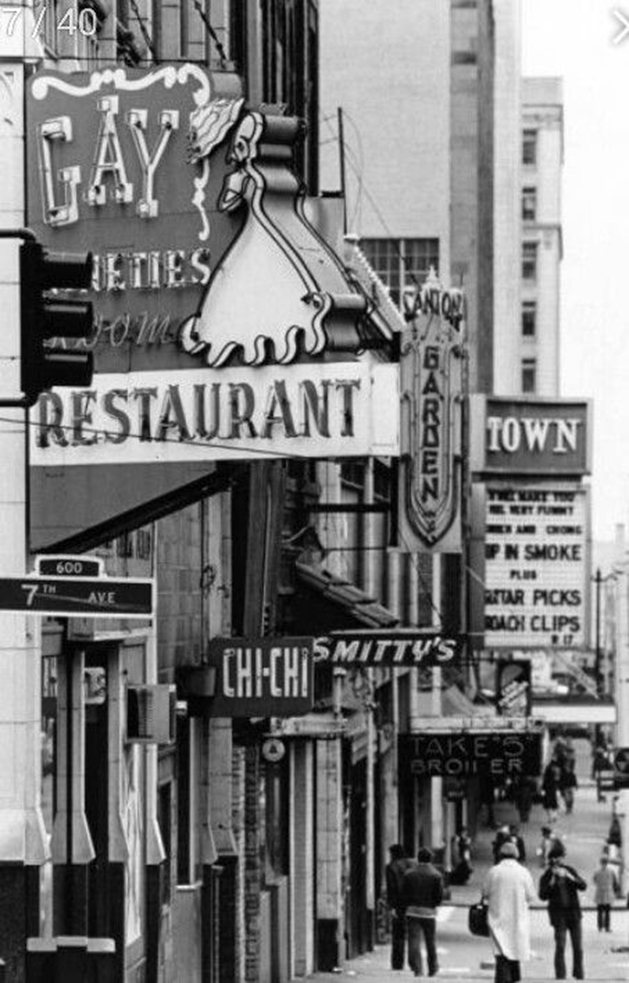
Living in San Francisco in the late 70s was an experience and a half, I seem to have packed an awful lot into that time. I was 23 that year and had to get by on whatever jobs I could find, previously I had already been a housepainter, a walking courier, an office temp and a lackey for the phone company. Living almost hand to mouth, there were no handouts to fall back on. 1978 proved to be an interesting year for me job wise, and many other things too, and I can remember five very different jobs that stand out from that year, none of which lasted very long.
CB & S
Sometime in early 1978 I was tipped off by a friend of mine called Ann, who told me that she wanted to leave her job so suggested I apply for her part time job – ostensibly as a telephone receptionist for the auspicious sounding firm of Colton, Bernard and Seitchik. It involved a bus journey from the Inner Sunset across Golden Gate Park to the leafy Richmond district, where the offices were based in a smart detached house. The company operated as a recruitment agency for textile industry executives from all over the USA.
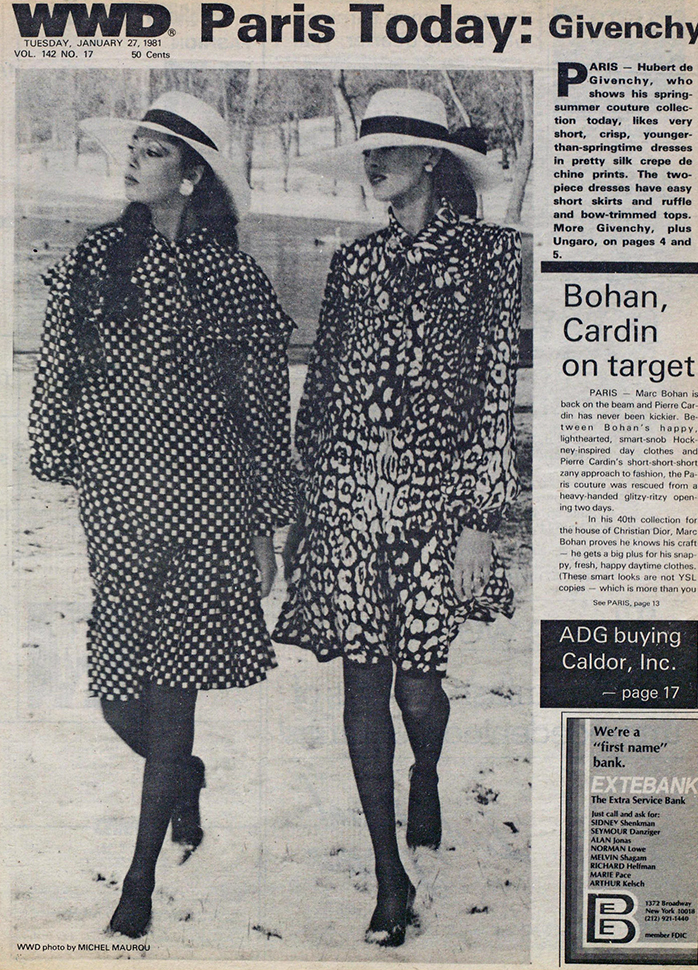
The main partners were a close couple, the diminutive, smartly dressed Roy Colton and the very tall Harry Bernard, a former hairdresser with a Peter Wyngarde (Jason King) moustache, both were absolutely meticulous about their appearance. They had moved to San Francisco from Philadelphia a couple of years before to live in the liberal freedom of a gay friendly city. The third partner was the straight man called Bill Seitchik. The job involved answering the phone in my English accent, what other could it have been? My fake American accent was appalling, and the job involved putting calls through when wanted, and being obsequious at all times. I didn’t enjoy that bit. My daily task in my four hour shift was to read Women’s Wear Daily (WWD) and one other fashion daily cover to cover looking for particular articles to bring to the attention of the partners. I became very knowledgable in the trends and whims of the US fashion industry at the time. The partners were kind and generous, but I soon found out that if I wasn’t wearing clothes up to scratch or was wearing enough deodorant, aftershave or cologne, I certainly heard about it. It paid the bills for a while and I left after three or so months, tired of answering the phone.
My daily reading material for a few months.
*A sobering and sad footnote to my time at CBS. In doing some online research I found an article from Women’s Wear Daily from 2009 which told the story of Roy and Harry’s apparent double suicide in their plush home in Pacific Heights from a deadly concoction of pills, the recipe for which was drawn from the book “Final Exit,” a DIY suicide manual. It was a sad thing to find out, but apparently the business had dwindled away with the rise of the internet but they kept on living the high life, flat in Manhattan, holidays abroad, flash cars etc, until the debts piled up and became overbearing. By the end they had plush offices on the eighth floor of the circa 1904 Flood Building, one of the few downtown structures to survive San Francisco’s historic 1906 earthquake, which was also where novelist Dashiell Hammett wrote the “The Maltese Falcon” while working for the Pinkerton Detective Agency in the Twenties.
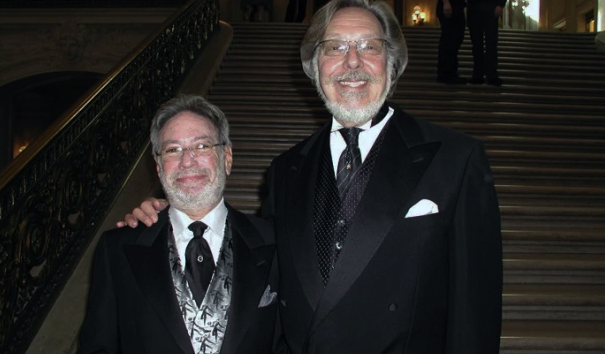
Roy Colton and Harry Bernard – a press photo from much later on, which was featured in their sad story from 2009.
American Graffiti
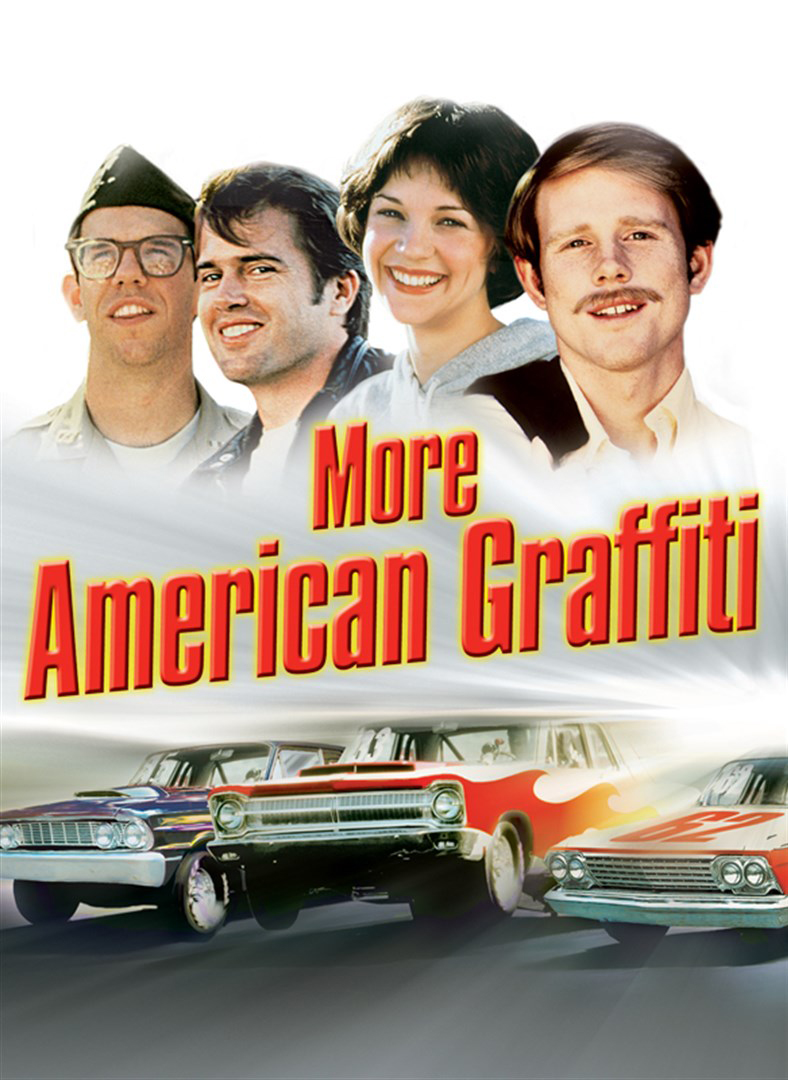
The next stop was Hollywood, well, the Hollywood film industry, when my friend John said that he had been asked to find someone who could do some extra work with him at a drag racing circuit some 50 miles south for a few days. It turned out to be the sequel to American Graffiti, the story having drifted into the 60s, and was tentatively entitled Purple Haze, although it seems to have later adopted the original name of ‘More American Graffiti’. George Lucas didn’t have a lot to do with it, but Ron Howard and Cindy Clarke were in it. My role was as a crowd member and as a pit worker at the race meeting. I went for three or four days with my friend John, but at $50 a day it wasn’t great pay, but it was a break from the norm. There was I given an early 60s flat top haircut and put into the right clothes of the era. The film bombed and went straight to video later, I have never seen it.
Poster for the film I worked on briefly but never saw.
Selling The Wild West
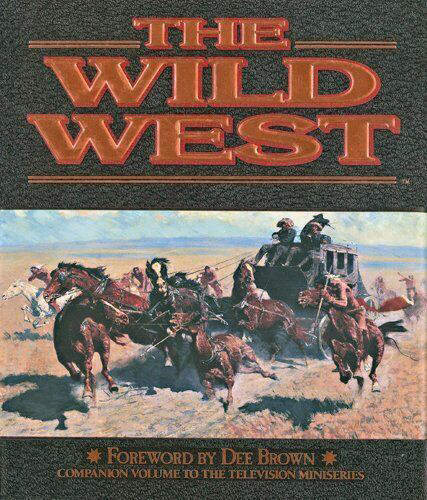
This was a short lived two and a half weeks ‘locked’ in a room on Market Street downtown with several others, a telephone on each desk and a list of numbers to call. These were four hour shifts and the job was to cold call people in Nevada and parts of California to hard sell them copies of Time Life’s hard bound book ‘The Wild West’ for about ten dollars. After a day’s training how to sell on the phone I was thrown to the wolves and was expected to read off a whole spiel before whoever answered the phone had a chance to say much and cajole people into buying a copy of a book they probably didn’t want or need. I have to say that this was a fairly dispiriting experience and I was getting nowhere until one kind person put me out of my misery and said yes, probably out of pity. Several people did question why an English voice was trying to sell them an American book. What could I say? It was a desperate job.
I had to indicate that I had a potential sale and a bell was rung and my score finally moved from 0 to 1. The very next shift I suddenly snapped and stood up and like Peter Finch in the film Network, (out the previous year) said loudly to the room “I’m not going to take this any more” and stormed off into the manager’s office. He looked at me pitifully and said that they had wasted money on me. I didn’t care, all I wanted to do was get out of there and get on the MUNI bus back towards the Inner Sunset and have a lie down. My short lived career as a telphone book seller had come to an abrupt end. I was left with a copy of the wretched book too.
Eureka Valley
I moved on to working in a small natural grocery store in the Eureka Valley, not far from the Castro, owned by a hippie couple, who for all their hippie ethos and Hawaiian weed, were not very generous when it came to wages. They told me to look out for miners coming in, it took me a while to realise that they meant minors buying booze. I ended my shift and passed onto a man who was a Californian equivalent of John Cooper Clarke, obsessed with words and music – we talked endlessly. The job ended with my asking for a wage rise, I was sacked immediately by phone call the next day. I claimed for unfair dismissal and won my case and received unemployment benefit for a month or two and disappeared up the coastline to Oregon and Washington and Canada for a while, but that’s in another story.
At the end of the summer my relationship with Kris came to an end after almost four years, from London to New York to SF. More on that later perhaps.
Pier 39
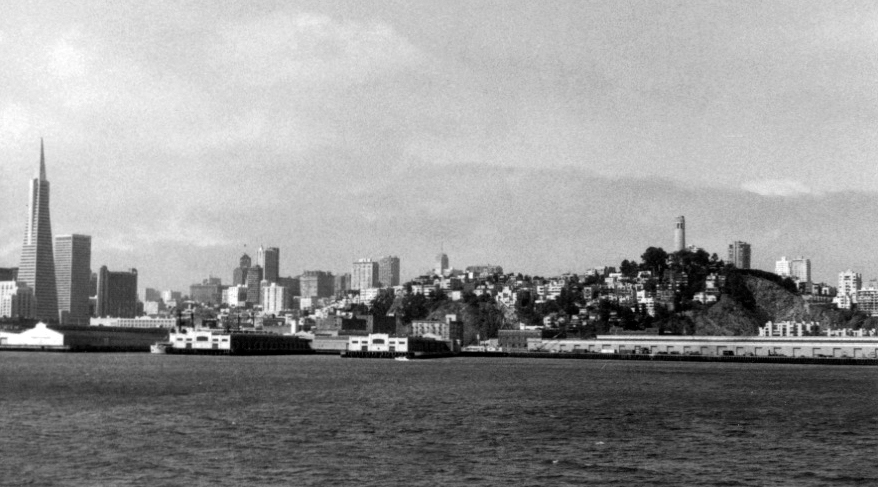
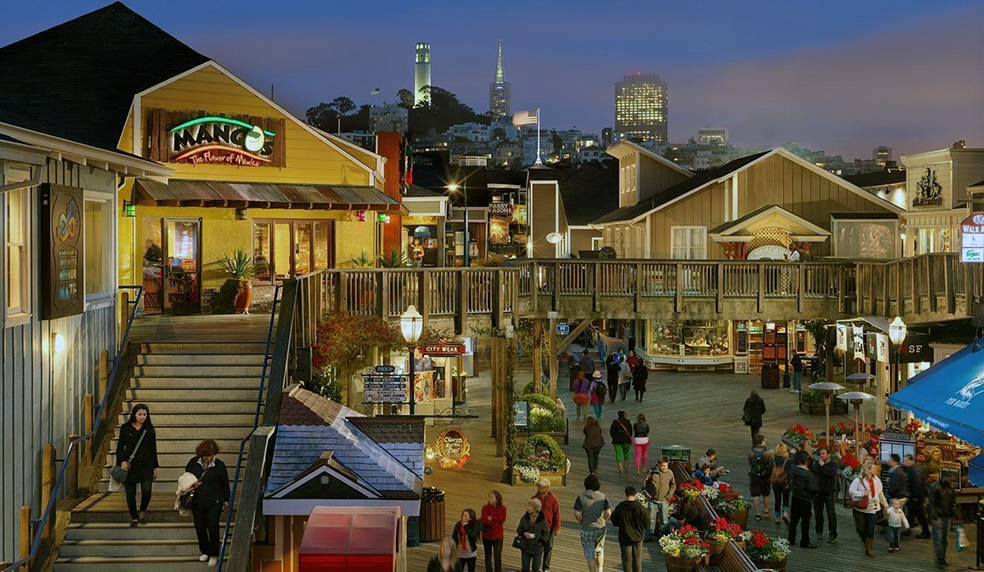
My next job was as a worker at a place called Pier 39, near Fisherman’s Wharf which was just opening up. The job was fairly menial, from bussing tables to taking money for arcade type games to running the dodgem cars. I lasted about three weeks before being sacked by the boss, Warren Simmons, for giving him lip, but not before meeting two wonderful co-workers for that brief time, Jeannie and Angie, who have played a part in my life ever since, mostly at a distance,, although we have seen each other from time to time over the years. It was great to get know Jeannie, she was/is full of fire and has a great acerbic sense of humour. We connected and had quite a few laughs. Well, as I said I was marched off the premises and it was back to job hunting. The Pier 39 is still there 42 years later, now famous for its sea lions and Angie still has a responsible job there too.
Pier 39 a little later on
Haight Street Deli
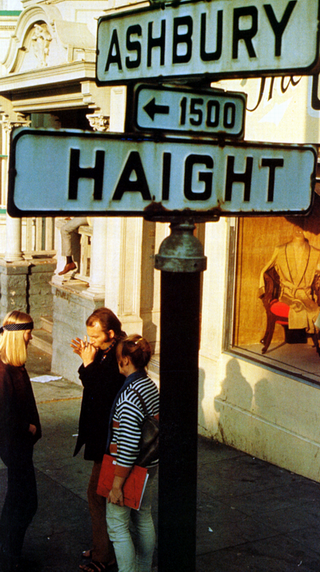
The final job that year was at a delicatessen on Haight Street, not far from my new home on Masonic, imaginatively called Haight Street Deli, and run by a sharp large lady called Gail, who ruled with an iron rod when in the room. I was part of a team who served up huge sandwiches all day. It got very busy and people asked for all kinds of complicated sandwiches. The evening shift would end with us piling into someone’s car and racing off to Ocean Beach for a little light up entertainment…I think I was there for four months or so, nothing lasted that long and I drifted into other things…like 1979.
1978 was without doubt the most turbulent and exciting year I’ve lived through to date. What follows is part one with some of my musical highlights that year. (Thanks to setlist.fm for giving me some pointers to dates and places.)
New Year’s Eve 1977 into 78 started with a long bus journey to a community centre in Hunter’s Point to see and dance to Queen Ida and her Bon Temps Zydeco Band, a wonderful and joyful way to see in 1978. This was my real introduction to zydeco music, I bought the album that night and still have it.
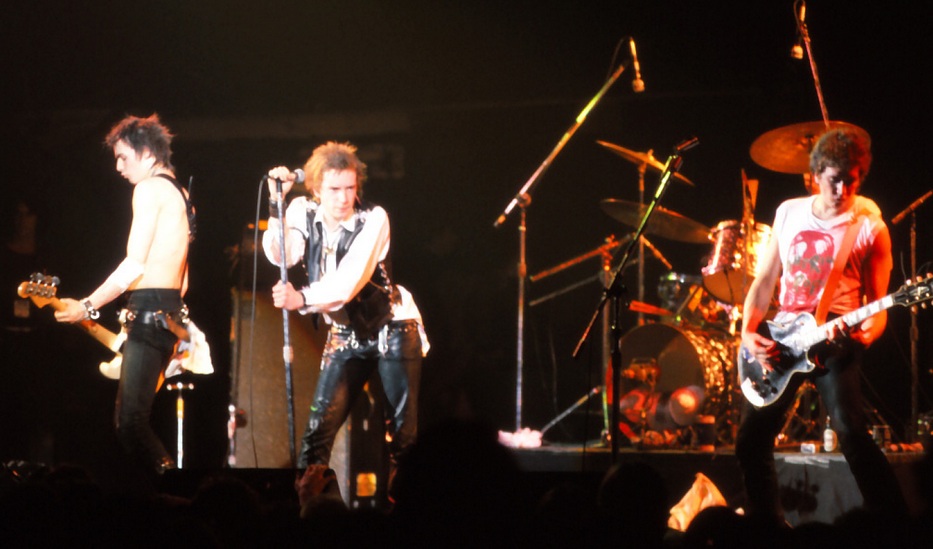
This was a year of many gigs and live music for me, starting close to my birthday in January at what proved to be the final Sex Pistols gig with Sid Vicious at Winterland, ending with Lydon telling us we had all been cheated. It was a short seething set, which ended with Anarchy in the Uk and No Fun. Typical. On another planet there was David Bowie in April on his Heroes tour at Oakland Coliseum, mesmerising and hypnotic, followed by Patti Smith at Winterland in May, who was so strong and poetic. This was the ‘Easter’ tour. Better with words than the guitar if I remember. In the summer on a detour to Seattle I thoroughly enjoyed a gig by Television of Marquee Moon fame and by chance I happened to catch the late John Prine too.
On the local music scene I was getting into both the punk and avant garde music scene and got into the off the wall sounds of Tuxedo Moon, more than once, definitely art house, the punky reggae sounds of The Offs, who did a suitably furious version of Johnny Too Bad. There were The Avengers, The Mutants and Crime, one of whose members I was occasionally mistaken for, a trip to the fairly short lived The Deaf Club where I was surprised to find Johnny Walker in the corner playing the tunes between the bands and to cap it all later in the year a visit to the famous Mabuhay Gardens on Broadway, the Fab Mab, with my friend Jeannie to get dived on by Jello Biafra and the rest of the Dead Kennedys. A raucous, seething mass of sweat and noise. Wonderfully exhilarating.
There was also my first of several experiences of The Talking Heads, at the Boarding House in November, ‘More Songs About Buildings And Food’ just hit that right note for me and to cap it off just before Christmas a stupendous show by The Boss, again at Winterland for a four hour show of extraordinary power and energy. Clarence Clemons, the Big Man, was on fire that night.
There were other gigs too, but these are the ones that stand out for me, it’s only 42 years ago after all.
Patti Smith at Winterland The Sex Pistols at Winterland David Bowie at Oakland Coliseum Tuxedo MoonBruce Springsteen at Winterland The Dead Kennedys
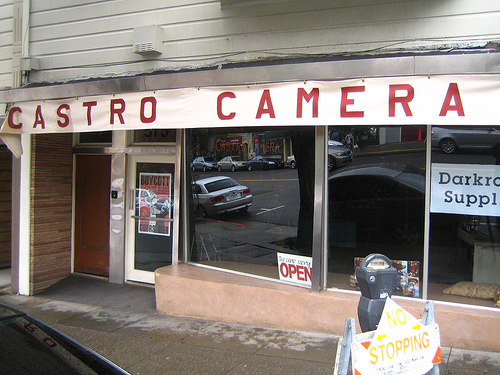
1978 was a critical year for many reasons and in the corner of the world where I lived at the time, San Francisco, two events stood out, both of which I was affected by as both a by-stander and an active participant. They both had repercussions on the international stage and sparked huge interest for many years after. Let me start the year before in 1977 when after several years of trying Harvey Milk was finally elected as a supervisor (city councillor) representing the district of the Castro. He broke new ground by being the first out gay person elected to public office in the USA. This was a monumental achievement. There was such a huge street party to celebrate this. He represented a district that I also lived in, although because of my registered alien status I was unable to vote for him, as I certainly would have. I first came across him personally when I used to buy film and get it developed at a store in the heart of the Castro called Castro Camera, which was run by this friendly, cheerful, gay man called Harvey Milk, who was also a keen photographer. He was a larger than life character with a warm smile and a great sense of humour and was very community minded, who I heard speak at rallies and demonstrations several times, including a very colourful and celebratory Gay Freedom Day in the summer of 1978, the forerunner of today’s Pride. Sylvester’s high energy disco tune ‘You Make Me Feel Mighty Real’ was the hit of that summer which he performed at the Castro Street Fair that year.
Castro Camera and Harvey Milk’s campaign HQ
To put events into chronological order the other noteworthy event that year came from The People’s Temple which was run by a charismatic preacher and political power broker called the Reverend Jim Jones. He was influential in San Francisco politics in the Democratic Party and was appointed by Mayor George Moscone to head the housing authority. I heard him speak once at a political rally, he was certainly charismatic and had a strong oratory, preachy manner, sprinkled with socialism, that drew people to him. The temple had been based in the city for a long while, but had suddenly moved to Guyana in South America in 1977 when the Temple was being exposed in the media for being not quite what it seemed and things had started to unravel. Hundreds of people from the Temple joined Jones in a settlement carved out of the bush called Jonestown in Guyana, many of these people, most of whom were black, were from San Francisco, so when the fateful news came out of the mass murder by poisoning all of them it hit the city like a tidal wave. It was as if a pall of death hung over the city, such was the feeling in the air. This happened on November 18th. As if this wasn’t enough just 10 short days later another event occurred that had even bigger local repercussions, if that was possible. I remember seeing a poster flyposted on a wall which simply said “The centre is missing”, it hit home.
The not so Rev Jim Jones
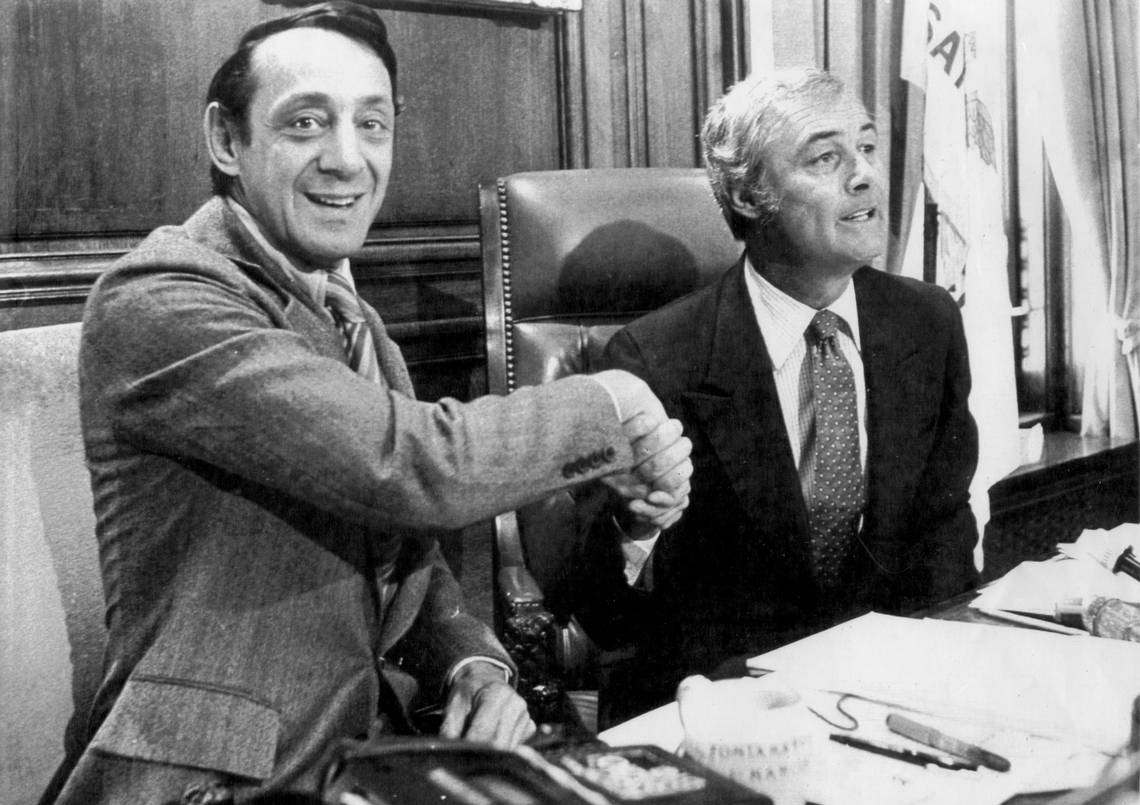
In November 1978 a right wing city councillor and former firefighter called Dan White resigned his post, then changed his mind and asked for his position back from the mayor, the progressive George Moscone. The mayor refused to have him back and with that White produced a handgun he had smuggled into City Hall and shot him dead in his office. He then deliberately sought out Harvey Milk alone in his office and shot him dead too. White, a former police officer, who held a grudge and didn’t like the fact that Harvey Milk was both gay and popular and regarded him and all gay people as deviants. I was standing in my local post office that day when someone came in and spread the news, there was disbelief and silence. The double killing in cold blood more than shocked the city and thousands of us took part in a huge candlelit procession and vigil that snaked its way from the Castro to the downtown city hall where the two men were killed. It was silent and peaceful, the outpouring of grief was enormous and heartfelt.
Harvey Milk and George Moscone at City Hall.
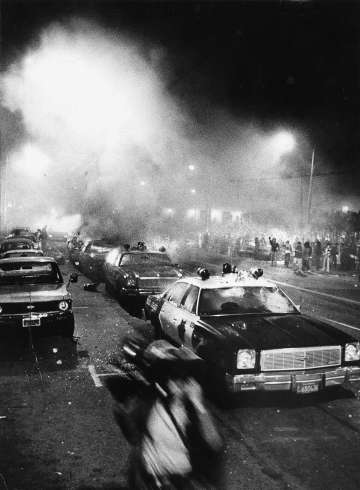
At White’s trial a few months later his lawyer’s defence was that he had eaten too much junk food and that he was under a lot of stress, but when the news broke that he had he got off with manslaughter and a sentence of just five years in prison the whole city erupted. This was in January 1979 and when the news from the tv and radio was broadcast people spontaneously piled on the Market Street buses downtown, and surrounded City Hall. I joined forces with my Dutch friend Hans and we were swept along on a tide of rising anger and outrage. The huge crowd of angry men and women that filled the area were determined to make a statement. This was seen as a homophobic hate crime which hadn’t been in any way handled fairly or justly by the legal system. I saw several police cars in a line all on fire, an image I will never forget, I thought that the City Hall would end up being burnt down, it nearly was. I witnessed the breaking of shop windows as people vented their fury. Anything could have happened, such was the fury. Police reinforcements arrived with clubs and began to chase people back. I had to run away fast to avoid being caught and beaten. I experienced that extraordinary power of people when they are angry and trying to make sense of a senseless situation. This night has been called the White Night Riot ever since. Harvey Milk was only in office for one year, but he made an extraordinary contribution in the fight for equality. His legacy remains in that city to this day. He had a premonition that his life would be cut short, but that didn’t stop him speaking out for equality. One piece of local law he enabled to be passed was the country’s first gay rights ordinance, protecting the rights of workers in the city. It was one of those life changing situations and I can’t ever forget it. For me it’s all about equal rights, tolerance and understanding. I came to the city thinking that it was a peaceful and progressive place to live but these two events shook me to the core. If you haven’t seen it there’s a documentary that came out in 1984 called The Times of Harvey Milk that contains very dramatic footage and then there was the 2008 film Milk with Sean Penn in the title role. Both recommended. The People’s Temple story was recently featured in a documentary on BBC.










 Citizen Cane picks up his camera