
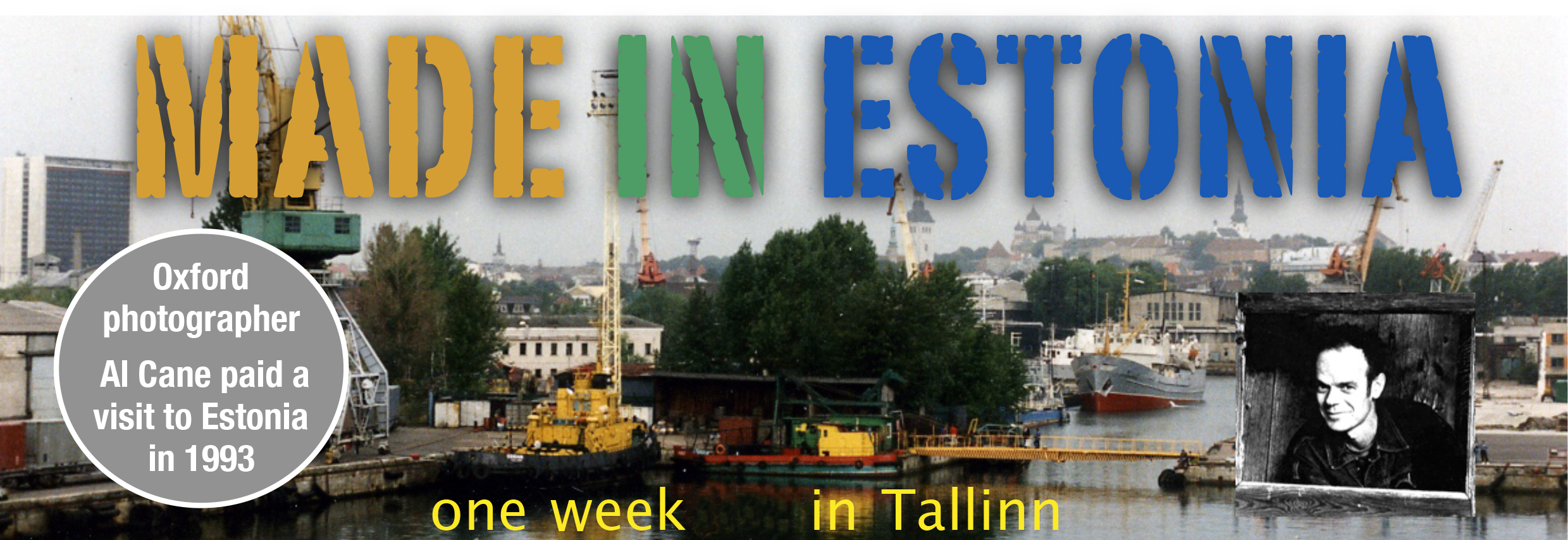
It was towards the end of the summer of 1993 and I was living just outside Oxford, close by Pear Tree Roundabout, at Frieze Farm, and cycled in daily to my job as a community arts worker on Cowley Road at Bloomin Arts. I was at the time involved in the ‘mail art’ scene, which was using the postal service to send themed art by invitation to exhibitions around the world, including the Netherlands to Germany, the USA and Estonia. From this I had developed a postal correspondence with Made Balbat, (pronounced Marday) an artist who lived in Tallinn, Estonia. She was an established artist and printmaker in her own country and taught art in a school. I had some time on my hands at the end of that summer and on an invitation decided to pay a visit to a country I knew very little about, except that two years previously it had become an independent country following the collapse of the Soviet Union and a peaceful singing revolution through the Baltic States.
Getting there was complicated – for at the time there were no direct flights to Tallinn. It involved catching a bus to London, a train to Felixstowe, an overnight ferry to Gothenburg in Sweden, followed by a bus journey across that country to Stockholm and then another overnight ferry to the capital city and port of Tallinn. The journey was long and was at times tedious. A radio, a cassette Walkman, a camera and many paperback novels kept me company on my solo journey.
The MS Estonia was a huge cruise ship that had plied its trade across the Baltic for a dozen years. What was a really impressive sight was sailing through the Stockholm archipelago, to see dozens of small beautiful islands in a calm sea, some inhabited, others not, lit in the serene evening light. I took a dozen photographs or more but I never saw them, both prints and negatives were missing when a few weeks later I collected them from a print bureau in Norwich.
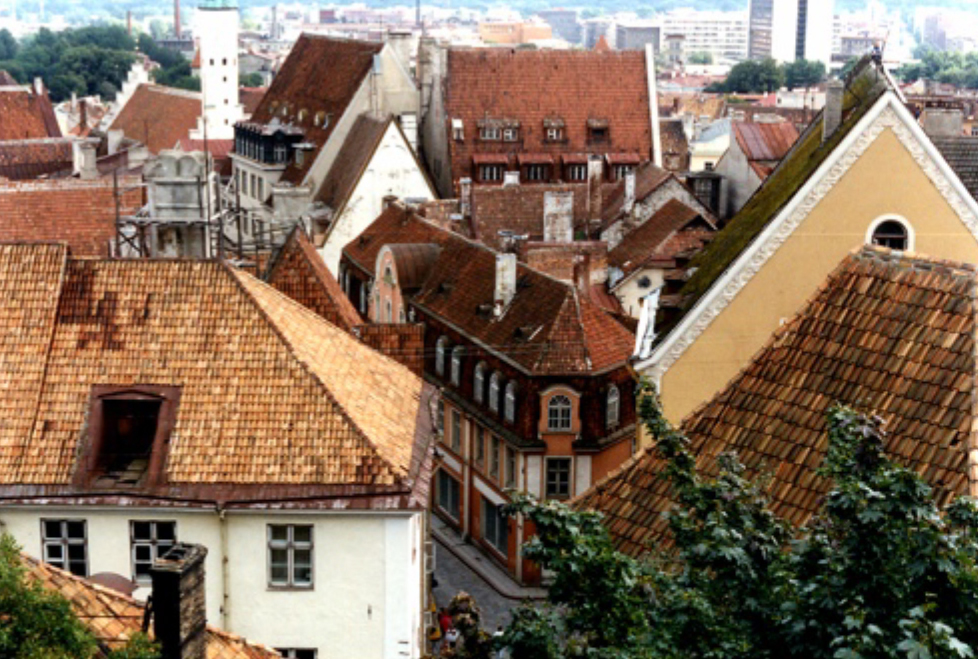
The next morning over the horizon the intriguing skyline of Tallinn’s harbour was visible on the horizon and getting ever nearer, I felt that an adventure was about to begin. My friend Made and her friend Meelis had arranged to meet me at dockside. It had been arranged for me to stay with Meelis, a psychotherapist who worked with alcoholics, later on I found out that he had insisted that I stay with him for the duration of my two weeks stay. He was the jealous type, not that he had anything to worry about.
Tallinn has an very fine medieval town centre but seems to be surrounded by huge Soviet-style housing estates. We took a tram to Meelis’s apartment, which in fact was quite comfortable. We all arranged to meet up later that evening for a welcoming drink. Tallinn was full of cobbled streets, old town historical buildings, trendy bars and cafes, the tourists had started appearing, but there weren’t many yet.
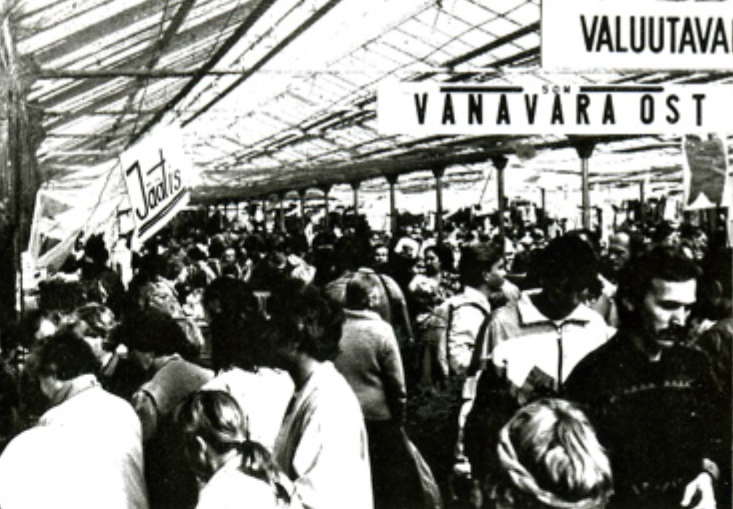
Meelis had suggested that we visit the huge Saturday flea market very close by the next day, but just before entering it he warned me against the likelihood of being pickpocketed. So I was wary and kept my cash stashed carefully. I bought a Russian monocular, like binoculars, but for one eye, which I still have. The ironic thing was that it was Meelis who had his wallet lifted that day.
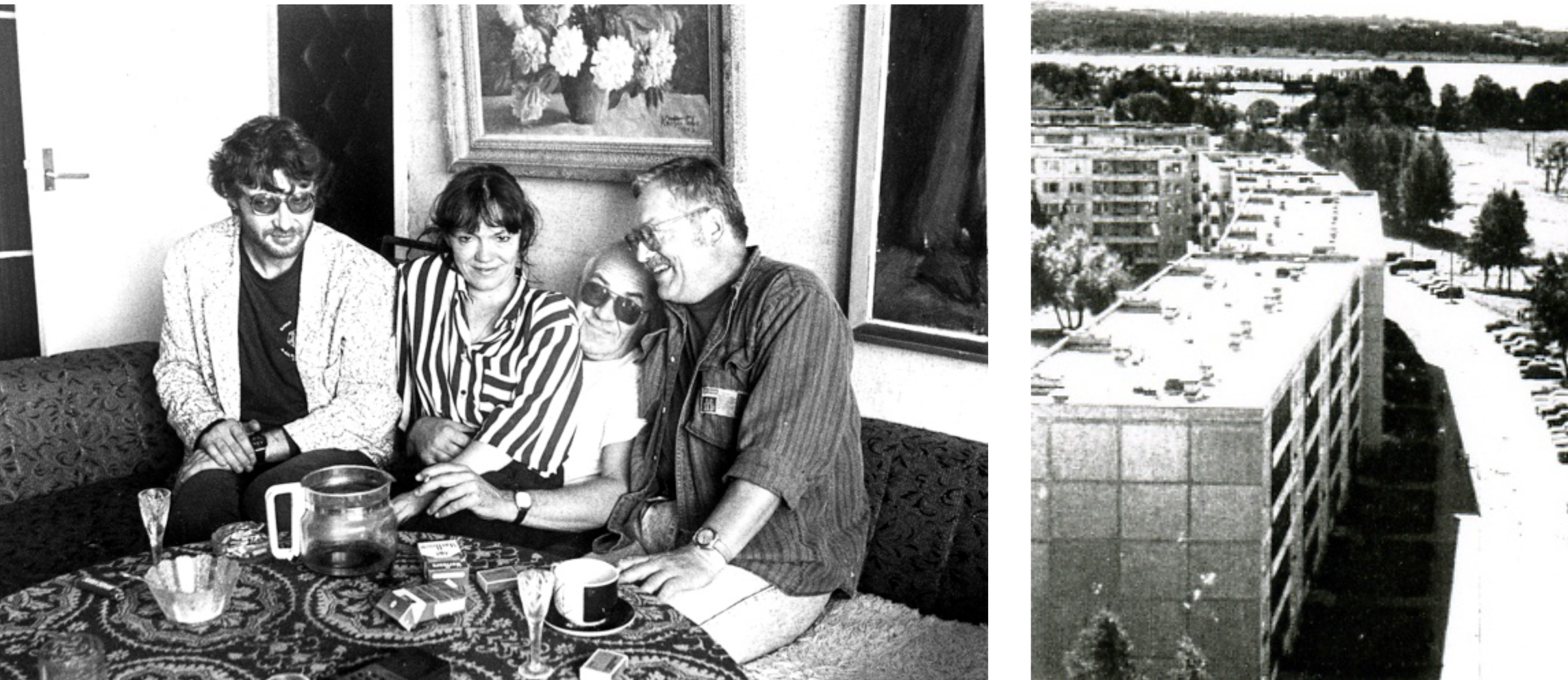
Overcoming that mishap he took me took me to meet some friends, a family of well known Estonian actors. Not well known to me and of course the vodka flowed with toast after toast to whom or to what I didn’t know, Estonian not being a language I was familiar with at all. Stumbling out of there we landed in a nearby park. I was drunk at midday, but didn’t want to be, the vodka had taken its toll. There is a picture of people lying across railway lines acting quite stupidly. Somehow in these situations I seem able to keep on taking photographs, I remember sitting down in this park and falling asleep and waking up suddenly a bit later with the sound of rocks and stones landing close to me. I was being attacked by a group of Russians. I stood up and shouted at them in English and suddenly out of nowhere a police car appeared and two policemen jumped out and proceeded to lay into the Russians. I’m told that jaws were broken. The police bundled us into their car and gave us a lift out of the situation into central Tallinn. This was a small incident of the ethnic tension within the country for Russians and Estonians were not on good terms due to what had happened over the previous 50 years of Soviet occupation. It all got a bit blurry at this stage but we got safely back to the apartment, excitement over – or so I thought.

The following day, Sunday, looked promising with a trip into the town centre, to go to a cafe or two, meet people and hear some music. Meelis was around and we shared a few beers this time. At some point he went off to see somebody and I found myself on my own. I had been warned about taking care of myself in this town as this was still a lively place, even though it was Sunday afternoon. I noticed a particularly hard looking, heavily tattooed skinhead of about 40 sitting at a table. He caught my eye and beckoned me over and asked me to sit down, against my better judgement I did. It turned out that he was an artist, a painter and wanted to talk about art with me and show me his paintings. He clapped his hands and a lackey began to carry in quite large abstract canvases. They were well executed and presentable – completely at odds with the man’s appearance. But there was a threatening undertone to his words when he more or less commanded me to photograph his works, one by one. Sadly I didn’t have the courage to photograph him. Trying to tell him that I only had a black and white film in my camera fell on deaf ears, he had been drinking too. That done I managed to slip away to another part of Tallinn.
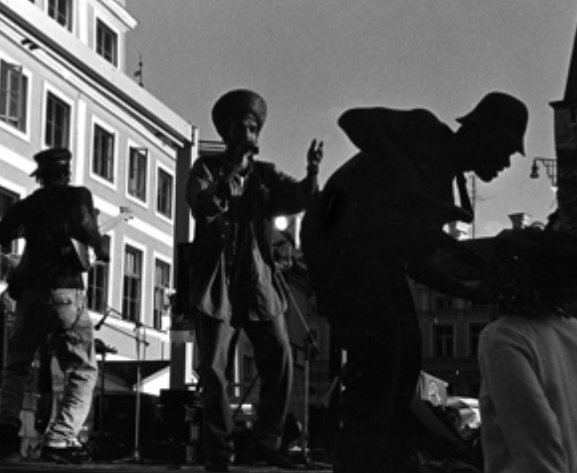
It was to the central square where the Jamaican reggae band called Iqulah and Gideon Force were setting up. I don’t think Estonians had ever seen or heard this music before. They were great, I loved hear this bouncing dub in the middle of an ancient market square with Estonians and a few visitors like myself joining in. After this I bumped into a group of young people who offered me a drink and chatted for a while. I remembered running around with them. Darkness was falling and I thought it was time to get back to Meelis’s apartment to recover.
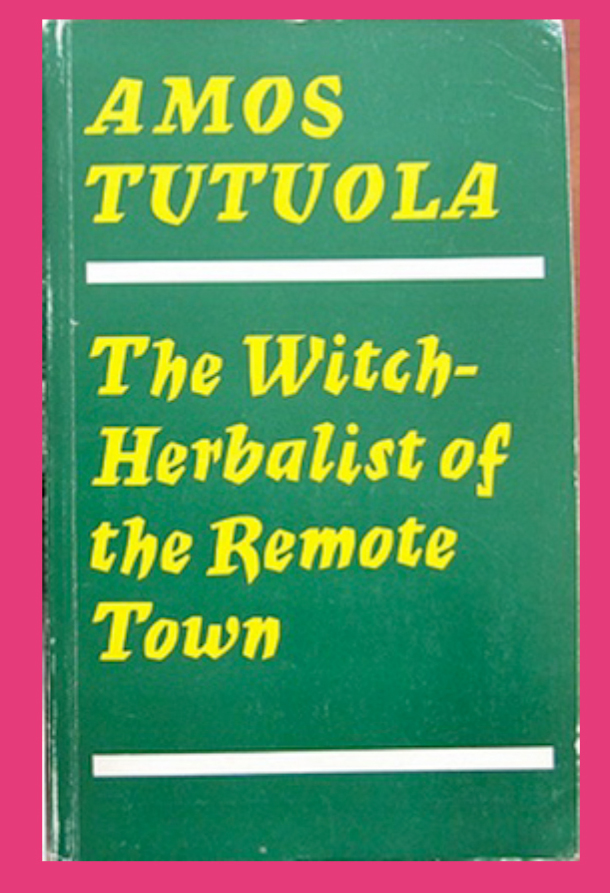
Bounding up the stairwell I found that my key didn’t work in the apartment’s door when I tried to turn it, which was weird. I went out for a walk to while away some time thinking that Meelis might return in the meantime. Minutes passed, nothing, my key definitely didn’t work. After banging on the door hard several times I went to a phone box and tried ringing him at home, still no answer, this was now getting strange. Resigned to sitting outside the door I pulled out the only book I had with me and read it by the light in the stairwell, which was exposed to the elements. It was a Nigerian novel by Amos Tutuola, ‘The Witch Herbalist of the Remote Town’, who also wrote the novel ‘My Life in the Bush of Ghosts’, whose title had been borrowed by David Byrne and Brian Eno for their musical collaboration in the 80s. This was an excellent story about a hunter who is trying to find a cure from a witch herbalist. It was such an entrancing and magical book that I was transported to another place. I read it cover to cover through the night, with breaks for walks about and occasional short sleeps. Without that book my night would have been much, much harder. Although it was August it was chilly and I didn’t have much clothing with me. People passed me on the stair and probably thought I was a drunk, I might as well have been.
Morning finally came and I tried the door again. Meelis answered it and said “Where have you been?” I nearly hit him, but restrained myself, it turns out he had passed out and was dead to the world when I knocked on the door and rang. He had left his key on the inside of the door.
I felt really rough and resolved to move out and stay elsewhere. I couldn’t stay with Made, she had two young sons in a tiny apartment out of town. I think she berated him for not looking after me. Relations between myself and Meelis were never that friendly again. But shortage of cash meant that I did stay the rest of the time with him. I think in his own way he tried to make amends.
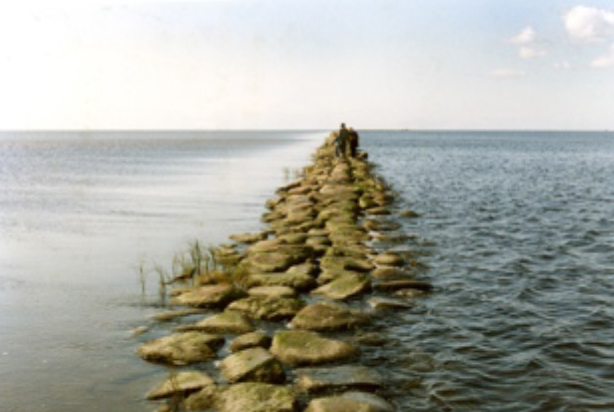
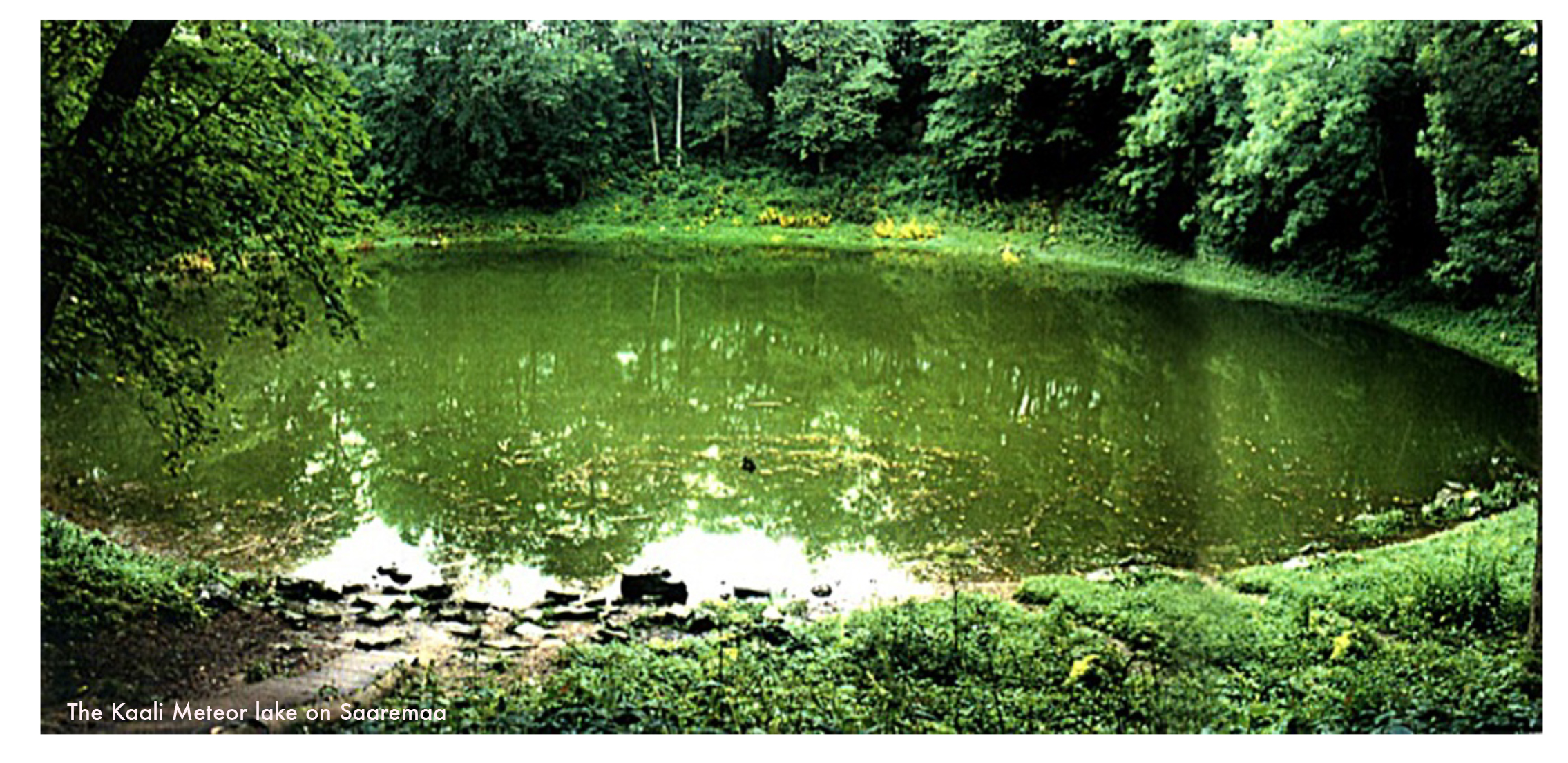
The rest of the trip was not as adventuresome, but I didn’t touch another drop of vodka, although I’m sure I had the occasional bottle of beer. An accidental meeting up with the German couple of mail artists that I had met previously in Oxford. There was an overnight railway trip to the seaside resort of Parnu, and a two day excursion to the western island of Saaremaa and the mysterious site of the Kaali meteorite and its crater lake. The journey home was comparatively uneventful, again on the MS Estonia*, back across Sweden to Gothenberg by bus (and by this time I was broke) and the return North Sea crossing to Felixstowe and a week of film-making at an arts centre in Norwich. Strange times.
* Exactly one year later the MS Estonia sank without obvious reason in the middle of the Baltic with the loss of over 800 lives.
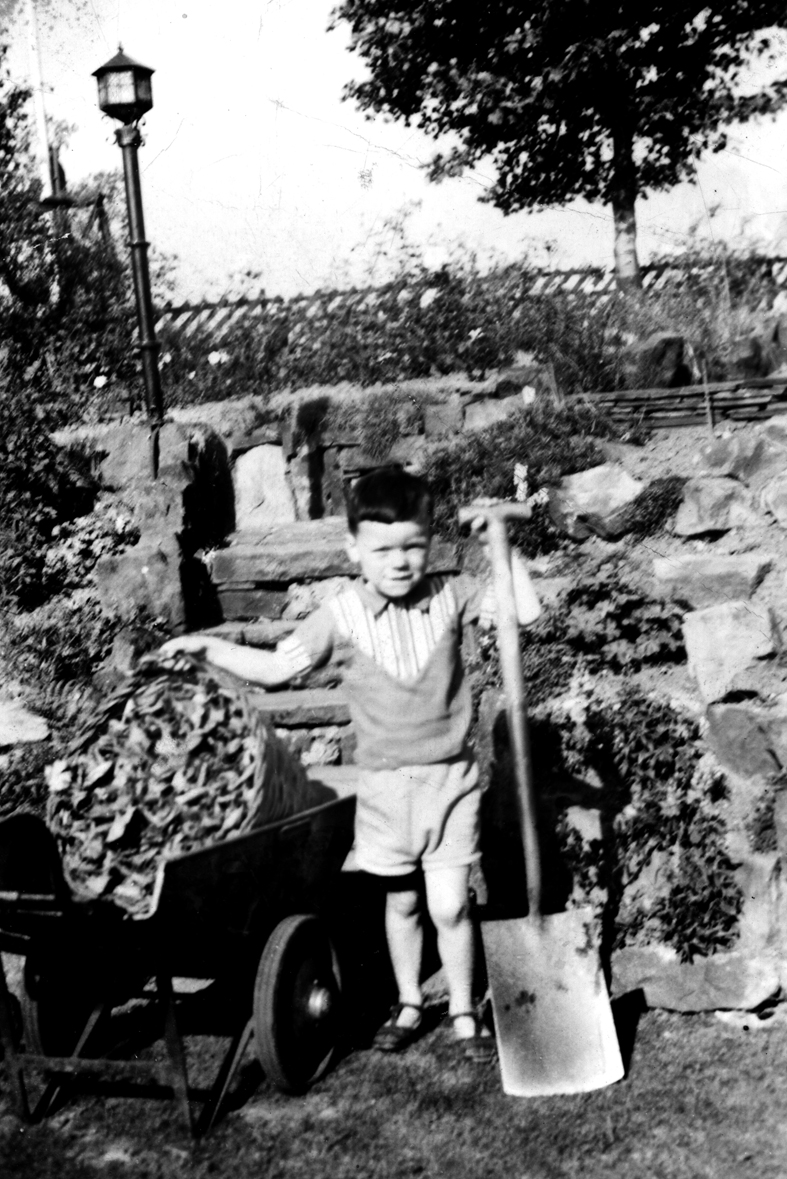
 Citizen Cane picks up his camera